Déclic · Guides · Home workouts
Guide
Resistance bands: types, colour codes, length and safety
Ad: this page contains affiliate links to Amazon. If you buy through them, Déclic earns a commission at no extra cost to you. As an Amazon Associate we earn from qualifying purchases.
In brief
Resistance bands are a low-cost, storable way to add strength work at home, but they are not all the same: loop, tube and flat bands suit different movements, and the colour code only means something inside one maker's range. No product is ranked here and no price is quoted. The NHS guidance (October 2026) recommends strengthening activities on at least two days a week for adults, working the major muscle groups, and the same for adults aged 65 and over, alongside balance and flexibility work. Bands are one way to do that; they are not a medical treatment.
Who it suits: beginners, travellers, people with little space, and anyone adding variety to a home routine. Who it doesn't suit: anyone with a latex allergy who has not checked the material, and anyone with an injury or health condition who has not had advice from a GP or physiotherapist.
Which type of resistance band should you start with?
Bands come in a few formats, and the format matters more than the brand when you are choosing.
| Type | What it suits | What to check |
|---|---|---|
| Loop bands (long, closed) | Pull-ups assistance, squats, presses, stretching | Length, thickness, and how the resistance is stated |
| Mini loop bands (short) | Hip, glute and leg work, often placed above the knees or ankles | Whether the fabric version rolls or the rubber one pinches |
| Tube bands with handles | Rows, presses and curls, feels closer to weights | Handles, door anchor, and the join where the tube meets the handle |
| Flat bands (open strips) | Rehabilitation-style and gentle strength work | Length, width and the material |
The three links below open Amazon.co.uk searches, not chosen products. Read the listings against the checks in this guide.
resistance bands set resistance bands with handles mini resistance bands loop Amazon affiliate links
Which type suits which person?
- The complete beginner. A set of tube bands with handles, or a set of long loops in several resistances, lets you try different movements and find what you like before spending more.
- The traveller. Mini loops and flat strips pack into a pocket. Look for a small carry pouch and a stated resistance for each band.
- The person adding glute and hip work. Short loops are made for this. Choose between fabric and rubber by how comfortable it is on your skin, and check that the band does not roll up.
- The person who wants to feel like they are lifting. Tube bands with handles and a door anchor come closest to a gym cable machine, as long as the anchor is secure.
- The person returning after illness or injury. Flat bands are often used for gentle work, but the right choice and the right exercises are for a physiotherapist to decide.
Are elastic bands good for exercise?
They can be, with limits. A resistance band gives a pulling force that rises as you stretch it. That makes the end of a movement harder than the start, which is different from a dumbbell, whose load is the same throughout. Many people find this gentler on joints at the start of a movement; others find it awkward when they want to progress in small steps.
Official guidance is more modest than the marketing. The NHS page on strength exercises builds its sample routines around a stable chair, light weights (filled water bottles will do) and a wall, and does not mention resistance bands. The NHS guidelines for adults aged 19 to 64 say to do strengthening activities on at least two days a week that work all the major muscle groups: legs, hips, back, abdomen, chest, shoulders and arms. So what counts is the pattern of regular strength work, not the specific equipment. Bands are a tool for that pattern. They do not replace advice on what suits your body.

What is the colour order of resistance bands?
There is no universal order: each manufacturer sets its own colour code, so the same colour can mean a different level of resistance in different ranges. The best-known example is TheraBand. A retailer's colour page for that brand (artzt.eu) lists eight colours and the resistance each gives at 100% elongation, which means stretched to twice its resting length:
| Colour (name given) | Resistance at 100% elongation, in kg |
|---|---|
| Tan (extra light) | 1.1 |
| Yellow (light) | 1.3 |
| Red (medium) | 1.7 |
| Green (heavy) | 2.1 |
| Blue (extra heavy) | 2.6 |
| Black (special heavy) | 3.3 |
| Silver (super heavy) | 4.6 |
| Gold (max heavy) | 6.5 |
The steps between colours are not equal: the jump from tan to yellow is 0.2 kg and the jump from silver to gold is 1.9 kg. And this is one brand's chart. Each brand has its own colour scale, so a "green" band from another maker can be lighter or heavier. A colour is a clue within one range, not a measure; read the resistance stated by the maker.
When you compare bands, look for:
- A resistance figure in kilograms or pounds and the stretch at which it was measured.
- A statement of how many bands are in the set and what each one is rated at.
- Whether the maker publishes a chart for its own colours.
If a listing gives only colour names, you cannot compare it with another listing.
What is the best length for resistance bands?
There is no single best length, because the right one depends on the type of band and your body. For loop bands, a longer loop gives more ways to use it (looping around a foot, a post or your torso) and a longer range of motion, but a short loop is easier to control for leg work. For tube and flat bands, length decides how far you can move before the band reaches full stretch, and how easily you can anchor it.
The practical approach:
- Check the listing states the length, and whether that is the length flat, as a loop or stretched.
- Think about the movements you want: leg work with a short loop, pulling and pressing with a long one.
- Consider your height and arm length, because a band that is too short for you will not allow full range.
- If you are not sure, look for sets that include different lengths and resistances.
Which resistance bands are best for seniors?
No products are rated here, and nothing below is exercise advice tailored to a person. What can be said comes from the NHS guidelines for older adults: adults aged 65 and over are advised to do activities that improve strength, balance and flexibility on at least two days a week, to aim for 150 minutes of moderate activity a week (or 75 minutes of vigorous activity if already active), and to be active every day, even if only lightly. The page adds that this also helps if you have fallen or are worried about falling. Bands are one way to add the strength part.
If you or someone you buy for is in that group, these points help:
- Start with the lightest resistance and build up slowly. The NHS strength page tells readers to "build up slowly and aim to gradually increase the repetitions of each exercise over time".
- Prefer a seated start. The NHS routines use a solid, stable chair without wheels and without arms.
- Check grip and handle comfort. A band that is painful to hold will not be used.
- Ask a GP or physiotherapist if there is a heart, balance or joint condition, or after surgery or a fall.

Which exercises can you do with resistance bands?
Bands can work every major muscle group the NHS lists. As examples to ask a professional about, not a programme:
- Legs and hips: squats with a loop above the knees, side steps, seated leg presses with a band round the foot.
- Back: seated rows with a tube band or a loop anchored round a post.
- Chest and shoulders: standing presses and lateral raises.
- Arms: biceps curls standing on the band, triceps extensions overhead.
- Core: a gentle anti-rotation hold with the band anchored at the side.
Learn each movement without much tension first, with control and a full range, before you move to a stronger band. If something pinches, pulls or hurts in a way that feels wrong, stop.
Can you do a ten-minute resistance band workout?
Yes, as a way to start. Ten minutes done regularly is easier to keep up than an hour planned and skipped. This is a structure, not a prescription, and you should adjust it to your own health:
- Spend a minute or two moving gently: walking on the spot, rolling the shoulders.
- Choose four or five movements that cover different muscle groups, such as a seated row, a standing press, a leg movement and a hip movement.
- Do each slowly, with control, and stop short of pain.
- End by stretching gently.
The NHS routines on its strength page use short sets of about five repetitions for beginners and rise over time. Follow that principle: start small, build up. If you are a beginner or have any health condition, speak to your GP or a physiotherapist before starting. A gentle stretch afterwards is easier on a firm surface, and our guide to yoga blocks → shows one inexpensive aid. If a muscle feels sore the next day, check with a professional before using any massage device; our massage gun guide → covers the questions to ask.
What does a simple week look like?
Because the NHS asks for strengthening activity on at least two days a week, a modest pattern is enough to begin with:
| Day | What | How long |
|---|---|---|
| Two non-consecutive days | Four or five band movements, covering legs, back, chest, shoulders and arms | About ten to twenty minutes |
| Other days | Walking or other activity you enjoy | As you like |
| Every few weeks | Review: is the band still easy? Move up one step in resistance or add repetitions | A few minutes |
This is an illustration, not a plan for any individual. Adjust it to your health, and ask your GP or a physiotherapist first if you are unsure.
What are the downsides of resistance bands?
- Resistance rises as you stretch, which can make a movement hard at the end and easy at the start. Choose the band for the hardest point.
- Bands wear out. Check for cracks, thin spots and tears before each use, and replace damaged bands. A snapping band can hit you.
- Anchoring can go wrong. Use anchors designed for the purpose and check that a door is closed on the correct side.
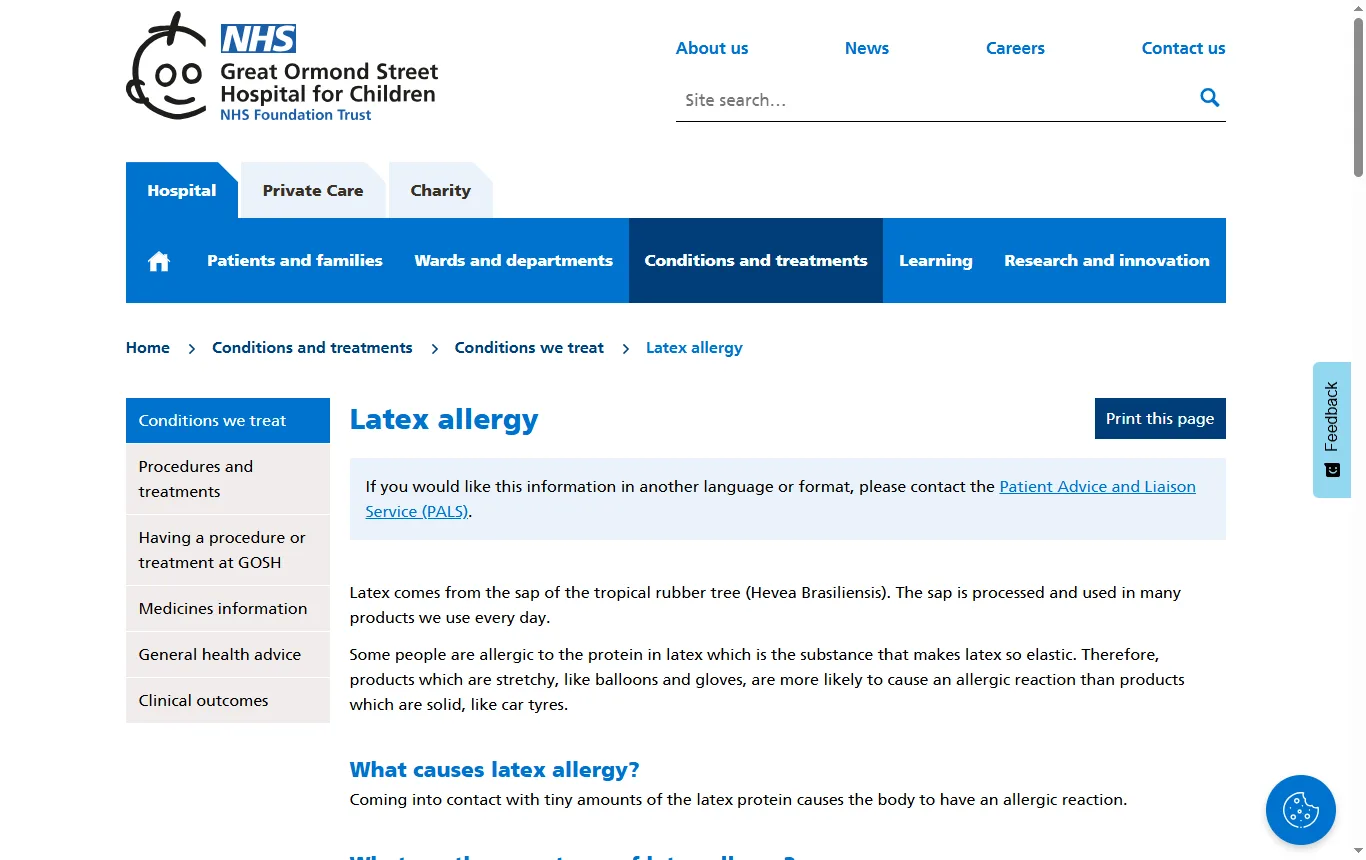
- Latex. Many bands are made of latex. The Great Ormond Street Hospital page on latex allergy (last reviewed 1 December 2018, so it may be out of date) lists rubber bands among items that may contain latex, notes that stretchy products are more likely to cause reactions than solid ones, and says reactions range from itchy eyes, sneezing, a runny nose or an itchy rash to a severe reaction called anaphylaxis. If you have a latex allergy, look for a band that states it is latex-free, and ask your doctor.
- Hard to measure progress. Without a stated resistance, you cannot tell how much stronger you are getting.
How should you store and look after bands?
Follow the maker's care instructions first, because materials differ. In general, keep bands clean and dry, away from sharp edges, and out of reach of children and pets. Check every band before each use: stretch it gently in your hands and look for cracks, thin spots, sticky patches or small tears. Retire any band that looks worn, and never knot a damaged band to repair it.
How do you buy bands without wasting money?
Buy a modest set first, with several resistances and a stated chart, and see which ones you use. Avoid very large kits with accessories you will not touch. Look for clear information about material, resistance and length, a returns policy you can use, and recent buyers who describe wear after weeks, not only in the first days.
If you are comparing with other equipment, adjustable dumbbells → give a constant load that is easy to log, and a foldable weight bench → gives support for pressing; bands are more portable and cheaper to store.
What should you ask before you buy?
A short list for the listing or the seller: what is the stated resistance of each band, and at what stretch? Is the material latex-free if I need that? What length are the loops or tubes, measured flat? What anchors or handles are included, and are they designed to hold the load? What is the returns policy for opened packs? A listing that answers these questions is easier to trust than one that offers only colours and a photo.
What are your rights if a band breaks or doesn't match the listing?
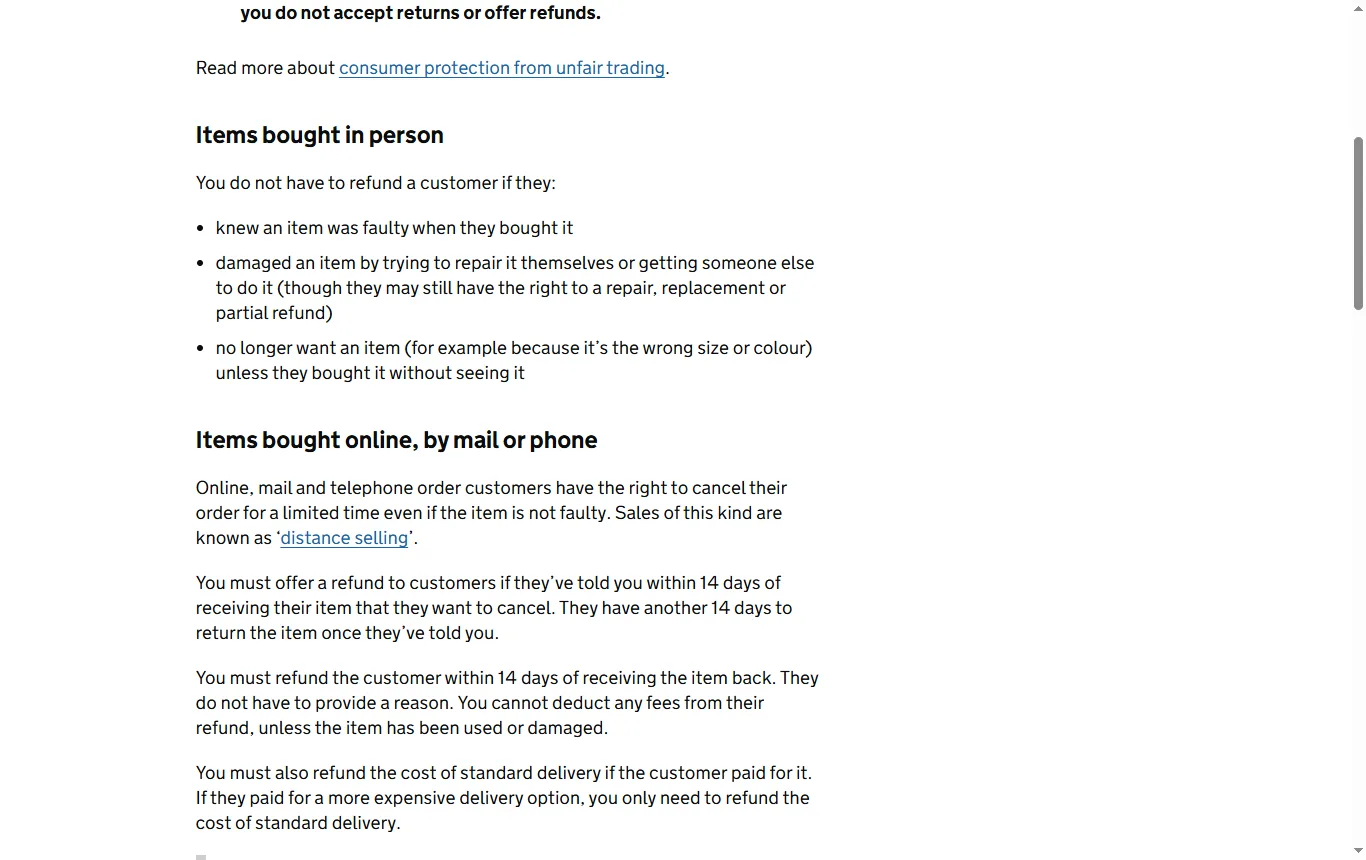
GOV.UK's guidance for sellers on returns and refunds says that for online orders you can cancel without giving a reason by telling the seller within 14 days of receiving the goods and then returning them within a further 14 days. Faulty goods give a right to a full refund, and a return within six months must be repaired or replaced unless the seller proves the item was not faulty when sold. After six months, the seller can ask you to show that the fault was there when you bought it. Some items sealed for hygiene reasons may not be returnable once opened, so check the listing before you open a pack.
Not sure? Tell us what you want to train and any limits
Frequently asked questions
What is the colour order of resistance bands?
It depends on the brand. One well-known range goes from tan, yellow, red, green and blue through black, silver and gold, with the resistance stated at 100% elongation, but another maker can use the same colours differently.
Are elastic bands good for exercise?
They can add resistance for strength work, and the NHS recommends strengthening activity on at least two days a week for adults. They are not the only way, and the NHS sample routines do not use bands.
What is the best length for resistance bands?
It depends on the type and the exercise. Check the stated length, think about your height and the movements you want, and consider a set with several lengths.
Which resistance bands are best for seniors?
No products are ranked. For older adults, the NHS advises strength, balance and flexibility activities on at least two days a week; start with the lightest resistance, prefer a seated start, and speak to a GP or physiotherapist if you have a health condition.
What are the downsides of using resistance bands?
Resistance rises as you stretch, bands can wear out or snap, anchoring can fail, and many are made of latex, which matters if you have an allergy.
Are resistance bands safe if I have a latex allergy?
Only if the band is described as latex-free. Check the listing and ask your doctor if you have had a reaction to rubber.