Déclic · Guides · Home workouts
Guide
Yoga blocks: size, material, how many and what to use instead
Ad: this page contains affiliate links to Amazon. If you buy through them, we earn a commission at no extra cost to you. As an Amazon Associate we earn from qualifying purchases.
In brief
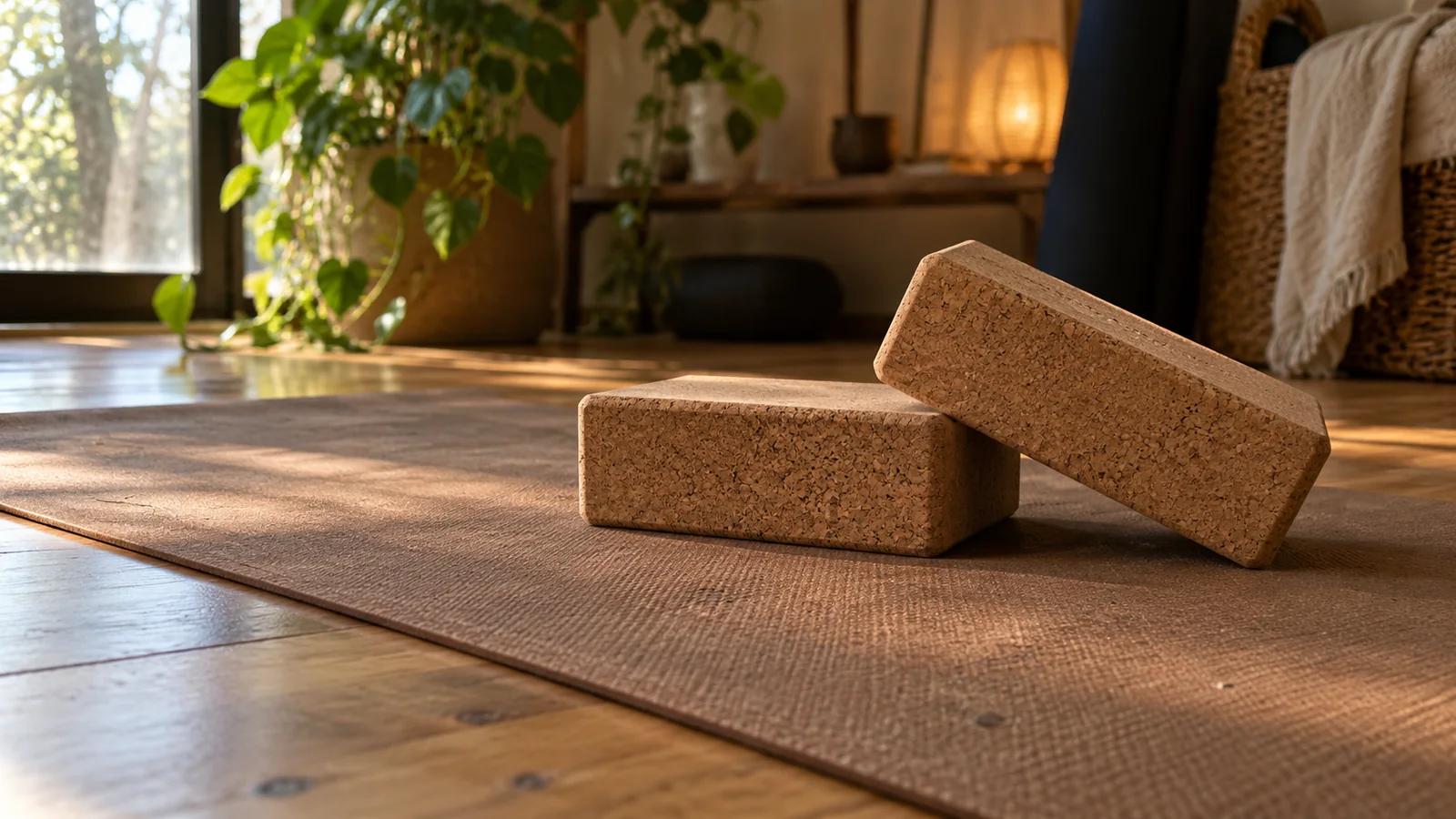
A yoga block is a firm prop that brings the floor closer to you, so you can hold a pose with good alignment instead of straining to reach. For most beginners, one pair of standard-size foam or cork blocks is enough; you do not need a whole set of props. On materials, the guides we cite agree on the trade-offs: foam is light and gentle, cork grips and feels firmer, and wood or bamboo lasts longest but is heavier and can slip when hands are damp. Pregnancy, injury and medical conditions are a job for a midwife, GP or physiotherapist, not for a prop.
Who it suits: beginners who cannot yet reach the floor in a pose, people with tight hips or hamstrings, and anyone wanting more support at home or in class. Who it doesn't suit: anyone who needs advice for an injury, pregnancy or a medical condition and has not had it; a prop does not replace that.
Why do you need yoga blocks?
You might not. Plenty of people practise without props, and a good teacher can give you alternatives. Blocks help when a pose asks for more reach, stability or length than your body has that day. OriGym's blog on yoga blocks (updated July 2026, credited to a named author and reviewer) describes blocks as "essential props used to facilitate or add an extra challenge to yoga poses", and lists several uses:
- Easing strain. A block under tight hips or knees, for example in hero pose, can reduce strain while gently stretching the thighs.
- Bringing the floor closer. In a forward fold or a side-angle pose, a block under the hand shortens the distance to the floor, which can ease lower back strain and help keep the spine long.
- Support for balance. Placed under the feet in crow pose, a block can help beginners build confidence.
- Adding challenge. Holding a block between the knees engages the inner thighs, and holding one in a warrior pose adds intensity.
The same article advises lowering the block gradually as poses become easier, and not becoming too reliant on it. That is a good rule: a block is a step towards the pose, not the finish.
Which kind of student gets the most from a block?
- The beginner whose hands stop a hand's width above the floor in a forward fold. A block turns a strained, rounded pose into a long, calm one.
- The stiff-hipped sitter who feels the knees rise above the hips in a cross-legged pose. OriGym's tip about easing strain under tight hips is aimed at exactly this person; a teacher can show you where to place the block.
- The experienced practitioner who wants a stable support under the hands for balances, or a challenge between the knees.
- The teacher or class organiser, who needs props that match and last. We cover that further down.
How do you use a yoga block safely?
Place it on a non-slip surface, usually your mat, and choose the height that lets you stay long and relaxed in the pose rather than collapsing onto the block. A yoga block stands on three different faces, so it has three possible heights. For a block of the common European size we mention below, about 23 by 12 by 7.5 centimetres, those heights are roughly 7.5, 12 and 23 centimetres, which is simple arithmetic from the stated dimensions.
| Face of the block | Approximate height | When it tends to help |
|---|---|---|
| Flat on its widest face | About 7.5 cm | Seated poses, a gentle lift under the hips, a low support under a hand |
| On its long, narrow edge | About 12 cm | Standing poses where the hand needs to meet the floor part-way |
| On its short end | About 23 cm | Tall support for longer limbs or for stiff days |
How do you find the right height for a pose?
- Move into the pose slowly with your hand or foot where the block will go.
- Slide the block into place at the lowest height that lets your spine stay long.
- Test your weight on it gently before committing, and check the block cannot roll or slide.
- Breathe for a few cycles. If you feel pinching, pain or strain, ease out and ask a qualified teacher.
- As the pose gets easier, move to a lower face of the block or take the block away.
Some basic habits:
- Put the block where your hand or foot will land, and keep it on a mat or other grippy surface.
- Wood and bamboo can slip when wet, so keep a firm, grippy block under hands that might sweat.
- Stop if you feel a sharp pain, numbness or pinching.
- If you have an injury, are pregnant or have a health condition, speak to your GP, midwife or physiotherapist, and tell your teacher before using props to go deeper into a pose.
What size of yoga block should you choose?
A blog from a yoga retailer (blog.yogastudiostore.com, October 2026) explains the naming: blocks larger than a house brick can be called blocks, and bricks are the size of a house brick. It says the most popular European size is brick-sized, about 23 by 12 by 7.5 centimetres, which suits average-sized hands, and that a larger option of about 22.8 by 15 by 10 centimetres is suggested for people who need more.
| Size | Typical dimensions (cm) | Suits |
|---|---|---|
| Standard brick | About 23 x 12 x 7.5 | Most adults and most poses; the safest default |
| Larger block | About 22.8 x 15 x 10 | Long limbs, limited flexibility, a bigger resting surface |
| Thinner or smaller block | Check the listing | Travel and packing, with less height and a smaller surface |
Check the listing for dimensions in centimetres, since some listings are in inches. If you are between sizes, look for a photo that shows the block beside a hand so you can judge scale.
Foam, cork or wood: which material suits you?
OriGym's article and the Yoga Studio Store blog agree on the broad picture, and the table below sets the two accounts side by side.
| Material | What the sources say in its favour | What the sources say against it | Suits |
|---|---|---|---|
| Foam | The lightest and usually cheapest; popular with beginners and older practitioners; gentle on the spine and pelvis; non-slip; easy to clean; cushions long holds | Can be flimsy, may not support full body weight, and can bend or scratch | Beginners, gentle practice, travel |
| Cork | Eco-friendly, sturdy and non-slip even when wet; good grip; "natural anti-bacterial properties" according to the retailer | Can leave flakes; porous, so harder to clean; can crumble at the corners if low quality; may be too firm to rest the back or head on | Regular home practice, damp hands |
| Wood or bamboo | The most durable; easy to wipe clean; can help with core strength and balance; bamboo is described as very environmentally friendly and long-lasting | More expensive, heavier and harder to carry; can be uncomfortable on the spine in large rectangular form; may slip with sweaty hands | Studios, demanding routines |
If you are not sure, a foam or cork block of standard size is a sensible start, because you can try the prop before investing in a heavier one. Neither source gives numbers for density or weight, so look for these on the listing and compare them yourself.
Do you need two yoga blocks, or just one?
Two is the usual answer, and sets of two are common. OriGym notes that blocks are often sold in pairs, which lets you use one on each side during poses, and that having more than one allows more advanced postures. A single block works for poses where you need one prop, such as one hand in a side-angle pose, but with two you can support both hands, stack them for height or hold one between the knees and use the other elsewhere.
So buy a pair if you practise regularly at home. If you are only trying yoga, you can borrow props in a class before deciding.
What can you use instead of a yoga block?
OriGym mentions yoga wedges (for people with sore wrists), straps (for more advanced poses) and blankets, a prop introduced into modern yoga by B. K. S. Iyengar. For a home alternative, a firm folded blanket or a firm cushion can work for some poses, such as sitting on it in a seated pose to lift the hips. The common-sense checks are the same as for a block: it must be firm enough not to collapse, stable on the floor, and not so slippery that your hand slides.
Avoid stacking books or using anything you cannot trust to hold your weight. A block is cheap compared with a fall.
Can you make a DIY yoga block?
You can, but the safe version is a cautious one. A firm, tightly folded blanket, wrapped and held with a strap, can do the job of a low block for some poses. A heavy-duty material you cut yourself is another matter: it must be dense enough to bear weight without compressing, and its surfaces must not slide. If you do not know the material, buy a purpose-made block rather than guess. The cost is low and the safety margin is higher.
Where can you buy yoga blocks in bulk?
If you teach, run a class or equip a studio, you need blocks that match, last and clean easily. Points to check:
- Consistent size and density across the set, so every student gets the same experience.
- Material and cleaning. OriGym notes that foam is easy to clean, wood is easy to wipe, and cork is porous and harder to clean, which matters when props are shared.
- Weight and storage, because a studio carries and stacks them.
- The returns and bulk terms from the seller, since a damaged batch is a bigger problem than a damaged single block.
Questions worth putting to a seller before a large order:
- Are all the blocks in the batch the same size and density, and can you show dimensions in centimetres for each?
- Who ships the order, Amazon or a third-party seller, and who handles a return if half the batch arrives damaged?
- What happens if a later order does not match the first one?
- Is there a guarantee or a written warranty, and what does it cover?
The Amazon.co.uk search below shows what is sold, but for large orders ask the seller about quantities and delivery before you pay. yoga blocks
What core exercises can you do with a yoga block?
OriGym mentions holding a block between the knees to engage the inner thighs, and holding one during warrior poses to add intensity. A full core routine is better learned in person than from a page like this one. If you want core work, ask your teacher or a qualified instructor to show you how to use a block safely for it. Do not rush into new movements by following a video you cannot ask questions of, especially if you have back or hip problems.
Which other props are worth a look?
Two come up in related searches: a yoga mat and a yoga strap. A non-slip mat gives your hands and feet something to grip, and a strap lets you extend your reach, which is the same job as a block with a different tool. For both, check the listing for material and thickness (for a mat) or length and buckle (for a strap). Do not buy a kit of props before you know which ones you actually use. If you like the idea of one portable tool for stretching and light strength work, our guide to resistance bands → explains types, colour codes and safety. And if a hard session leaves you sore, our checklist for choosing a massage gun → sets out what to check and who should avoid one.
yoga mat non slip yoga strap Amazon affiliate links
Are yoga blocks safe if you are pregnant or injured?
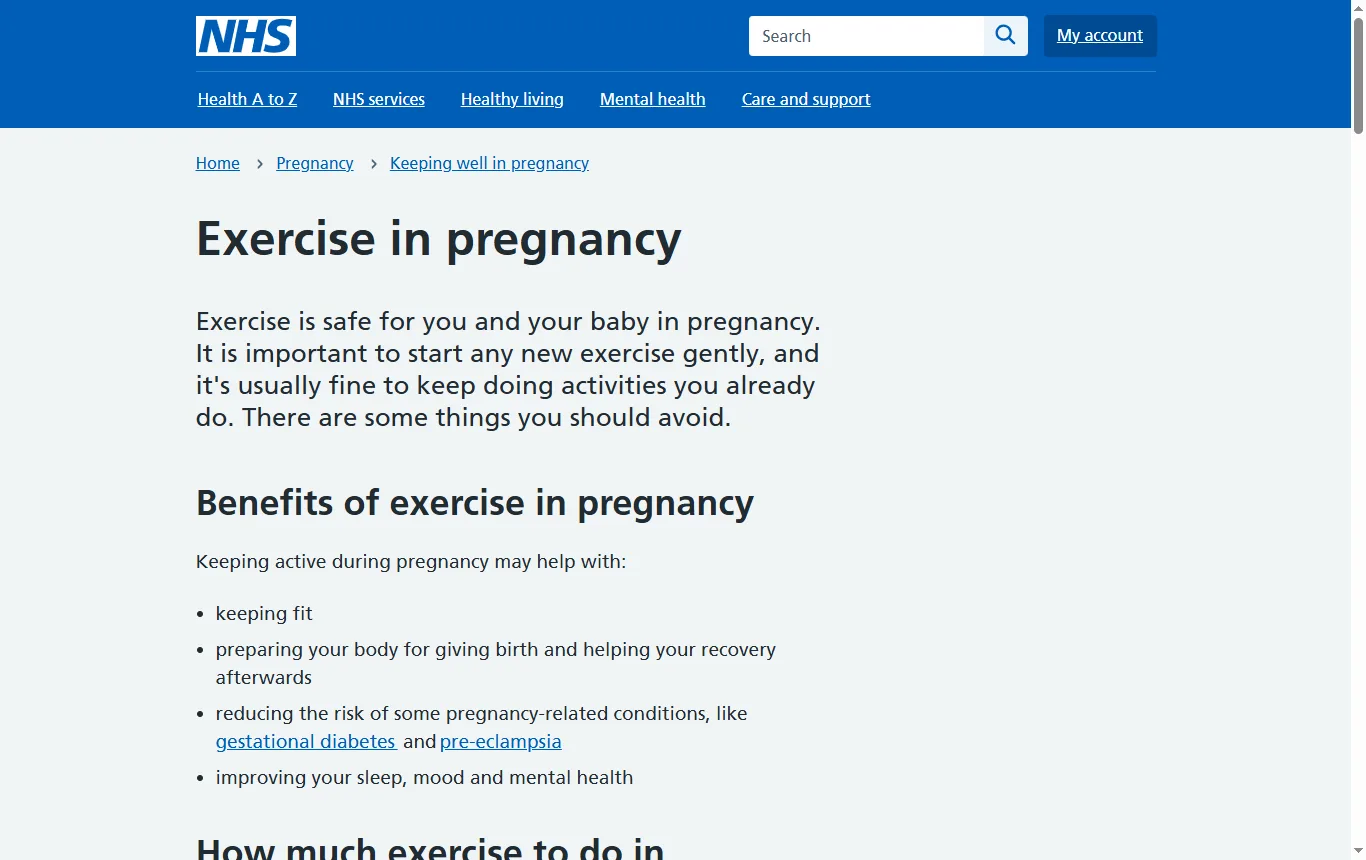
A block lowers the effort of reaching a pose, but it does not make a pose safe for every body. The NHS pregnancy exercise page (October 2026) says yoga can count towards the weekly 150 minutes of moderate activity and also counts as muscle strengthening, and it advises asking your midwife which activities are safe for you if you have a known health condition. In practice that means telling both your midwife and your yoga teacher that you are pregnant before you use props to go deeper into a pose.
For an injury, a sharp or lingering pain, numbness or a condition affecting your joints or circulation, speak to your GP or a physiotherapist first. Let your teacher know too, so they can offer a different pose rather than a deeper one.
What are your rights if a block arrives damaged or isn't what you ordered?
Amazon.co.uk's returns policy (October 2026) says that most items can be returned within 30 days of delivery if they are new, unused and undamaged, and that you also have a statutory right to cancel within 14 days of receiving the goods, for any reason. Amazon can reduce a refund if you have handled the item in a way that lowers its value. Amazon refunds return costs, or gives a prepaid label, only when the item was sold or dispatched by Amazon and advertised as eligible for free returns when you bought it, so check who the seller is before you pay.
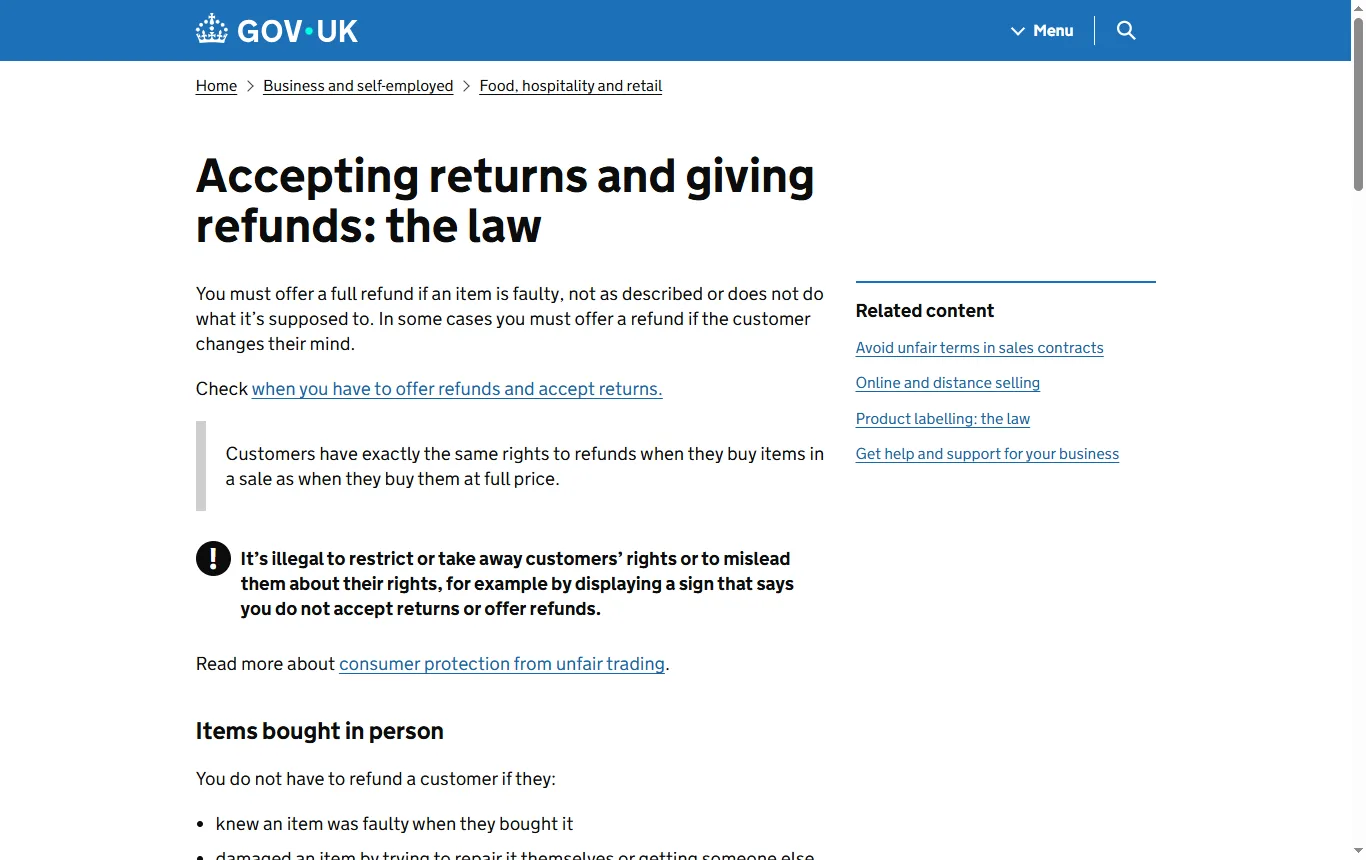
GOV.UK's guidance on accepting returns and giving refunds adds that a seller must offer a full refund if an item is faulty, and must repair or replace an item returned within six months unless the seller can prove it was not faulty when sold. For a block that crumbles, smells strongly of chemicals or is the wrong size compared with the listing, keep the packaging and photos, and contact the seller first in writing.
What should you check before you pay?
- Is the material stated clearly, and does it fit how you practise (foam for light practice, cork or wood for a firmer feel)?
- Are the dimensions in centimetres, and do they match the standard brick size or the larger size you want?
- Is the listing for one block or a pair?
- Who sells and ships it, and what are the returns terms?
- Do customer comments mention flaking, crumbling corners, slipping or a strong smell?
- Do you also need a non-slip mat or a strap, or will the ones you own do?
Not sure? Tell us what you practise and what feels hard
Frequently asked questions
Why do you need yoga blocks?
You may not, but they help when a pose asks for more reach or stability than you have that day. They can bring the floor closer, ease strain and help you keep your spine long.
Do I need two yoga blocks or just one?
Two is the usual choice, and blocks are often sold in pairs, so you can support both hands or use one on each side. One is enough for poses where you need only a single prop.
What can I use in place of a yoga block?
A firm folded blanket or a firm cushion can stand in for some poses, as long as it does not collapse or slip. Do not use anything that you cannot trust with your weight.
What is the best material for a yoga block?
It depends. Foam is light and gentle, cork grips well and is firmer, and wood or bamboo is the most durable but heavier and can slip with damp hands.
Can I make a DIY yoga block?
A tightly folded blanket held with a strap can work for some low-height poses. For anything else, buy a purpose-made block rather than risk a prop that collapses.
Are yoga blocks safe if I am pregnant or injured?
Speak to your midwife, GP or physiotherapist and tell your teacher first. The NHS says yoga can count towards weekly activity, and that you should ask your midwife which activities suit you.
See also
 ComparisonFolding treadmill buying guide: space, noise, knees and safetyHow to choose a folding treadmill or walking pad: belt size, space, noise, knees, NHS activity guidance and your return rights, plus a pre-purchase checklist.
 GuideFoldable weight bench: what to check before you buy oneHow to choose a foldable weight bench: load rating, stability, pad gap, folded size, safe use and UK return rights, in a practical pre-purchase checklist.